
Electronic Funds Transfer Reporting (EFTR) Services
Large international transfers cross your systems every day, and each one may be reportable. We build the EFTR process that captures every reportable wire and files it to FINTRAC accurately and on time.
Reporting the Money That Crosses Borders
An EFTR applies to international electronic funds transfers of ten thousand dollars or more, moving into or out of Canada. Like large cash reporting, it is threshold-based rather than suspicion-based, and it catches both incoming and outgoing transfers. Missing reportable wires is one of the most common gaps FINTRAC finds.
The Travel Rule Travels With the Money
Reporting the transfer is only part of it. The Travel Rule requires that originator and beneficiary information accompanies an electronic funds transfer as it moves, so the parties behind the money are never lost in transit. We build the controls that capture and pass this information correctly, so your transfers carry what the rule demands and your reporting stands up to examination.

Transfer Detection
We flag every international transfer that reaches the reporting threshold in either direction.
Aggregation Logic
We apply the twenty-four hour rule to transfers, so split wires are combined.
Travel Rule
We capture the originator and beneficiary information every transfer is required to carry.
Accurate Filing
We file complete transfer reports to FINTRAC within the required deadline.
Ready to Simplify Your Compliance?
Businesses We Support With EFTR
We build electronic funds transfer reporting for money services businesses, payment providers, remittance firms, cryptocurrency platforms, and the many other reporting entities that move funds across borders under the PCMLTFA.
We support banks with program design, oversight, & regulatory examination readiness.
We help credit unions meet obligations proportionate to their membership and scale.
We handle registration, renewals, reporting, & controls FINTRAC expects from you.
We cover Bank of Canada registration alongside your anti money laundering obligations.
We establish what your wallet activity triggers, then build only what applies.
We build compliance around what your product does, before volumes and questions arrive.
We register virtual currency dealers and build the reporting their activity demands.
We support financial institutions across registration, program build, and reporting duties.
Why Businesses Choose Our Approach
Both Directions
We capture incoming and outgoing transfers alike, so a reportable wire is never missed simply because of its direction.
Rule Ready
We build in the originator and beneficiary data the Travel Rule demands, so your transfers carry the right information.
Always Timely
We file transfer reports within FINTRAC deadlines, so cross-border reporting never becomes a late or missing filing.
Serving Businesses Across Canada
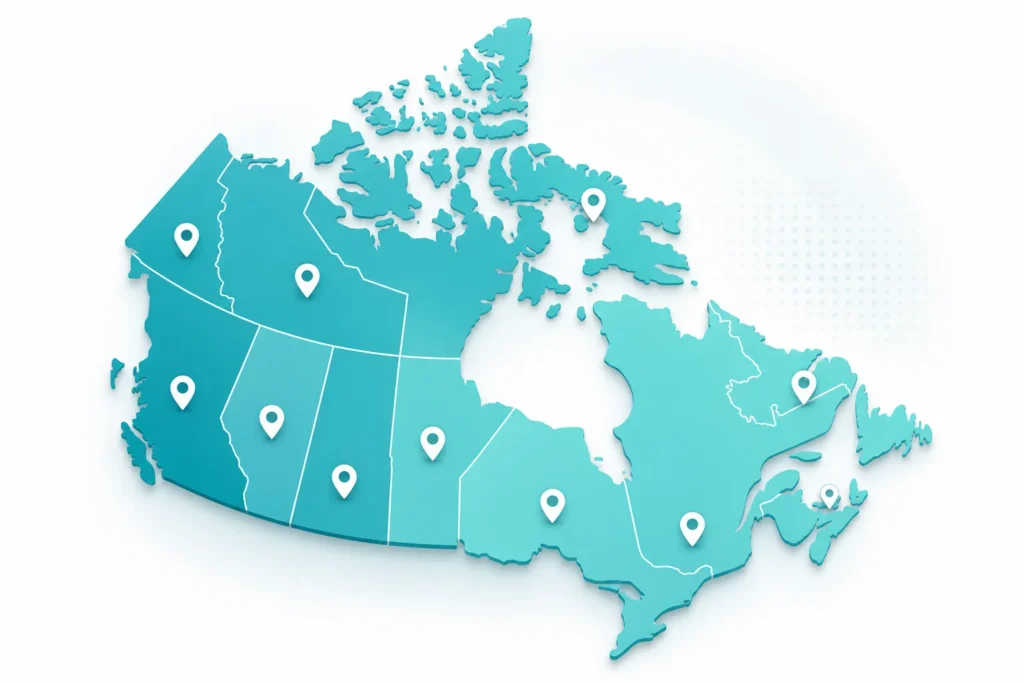
We deliver electronic funds transfer reporting right across the whole of Canada, from Toronto and Montreal to Vancouver and Calgary, and for foreign reporting entities carrying Canadian obligations wherever they operate.












Let's Talk About Your Compliance Needs
Schedule a Free Consultation
Whether you’re starting a new MSB or need ongoing AML support, our team responds within one business day.













EFT Reporting Questions
Clear answers to the questions Canadian businesses ask most about reporting international electronic funds transfers to FINTRAC under the PCMLTFA.

What is an electronic funds transfer report?
A report to FINTRAC of an international electronic funds transfer of ten thousand dollars or more, moving into or out of Canada.
Do incoming transfers need reporting too?
Yes. Both incoming and outgoing international transfers at or above the threshold are reportable, not just those leaving Canada.
What is the Travel Rule?
A requirement that originator and beneficiary information travels with an electronic funds transfer, so the parties behind the money remain identifiable.
How is EFTR different from LCTR?
An EFTR covers international electronic transfers. A large cash transaction report covers cash. Both share the same reporting threshold.
Does the aggregation rule apply?
Yes. Multiple transfers totalling ten thousand dollars or more within twenty-four hours are combined and reported as a single transfer.