
Customer Due Diligence (CDD) for Reporting Entities
Due diligence is what turns a verified name into an understood customer. We build the CDD process that establishes why a customer is doing business with you and how much risk that relationship carries.
Due Diligence Goes Beyond Confirming Identity
Verifying who a customer is only answers half the question. Customer due diligence asks the rest: what the relationship is for, what activity you should expect, and how much money laundering risk it carries. That understanding is what lets you judge whether standard measures are enough or enhanced ones are needed.
Standard Diligence, and When It Escalates
Most customers need standard due diligence: confirmed identity, an understood purpose, and a risk rating that sits within your appetite. But CDD also has to recognise the moment risk rises, a customer who turns out to be politically exposed, or activity that no longer matches the profile, and escalate to enhanced measures. We build a process that handles the ordinary and catches the exceptions.

Relationship Purpose
We establish the purpose and intended nature of each customer relationship you form.
Risk Profiling
We build the risk profile that decides how much diligence a customer needs.
Escalation Triggers
We define the triggers that move a customer from standard to enhanced due diligence.
Ongoing Diligence
We keep due diligence current as the relationship and its risk change over time.
Ready to Simplify Your Compliance?
Businesses We Support With CDD
We build customer due diligence for money services businesses, payment service providers, cryptocurrency platforms, currency exchanges, real estate firms, and the many other reporting entities onboarding customers under the PCMLTFA.
We support banks with program design, oversight, & regulatory examination readiness.
We help credit unions meet obligations proportionate to their membership and scale.
We handle registration, renewals, reporting, & controls FINTRAC expects from you.
We cover Bank of Canada registration alongside your anti money laundering obligations.
We establish what your wallet activity triggers, then build only what applies.
We build compliance around what your product does, before volumes and questions arrive.
We register virtual currency dealers and build the reporting their activity demands.
We support financial institutions across registration, program build, and reporting duties.
Why Businesses Choose Our Due Diligence
Right Sized
We match diligence to risk, so ordinary customers move quickly and higher-risk ones get the attention they genuinely require.
Escalation Aware
We build clear triggers into your process, so a customer whose risk rises is caught and moved to enhanced diligence.
Kept Current
We keep diligence alive after onboarding, so a relationship that drifts from its profile does not slip through.
Serving Businesses Across Canada
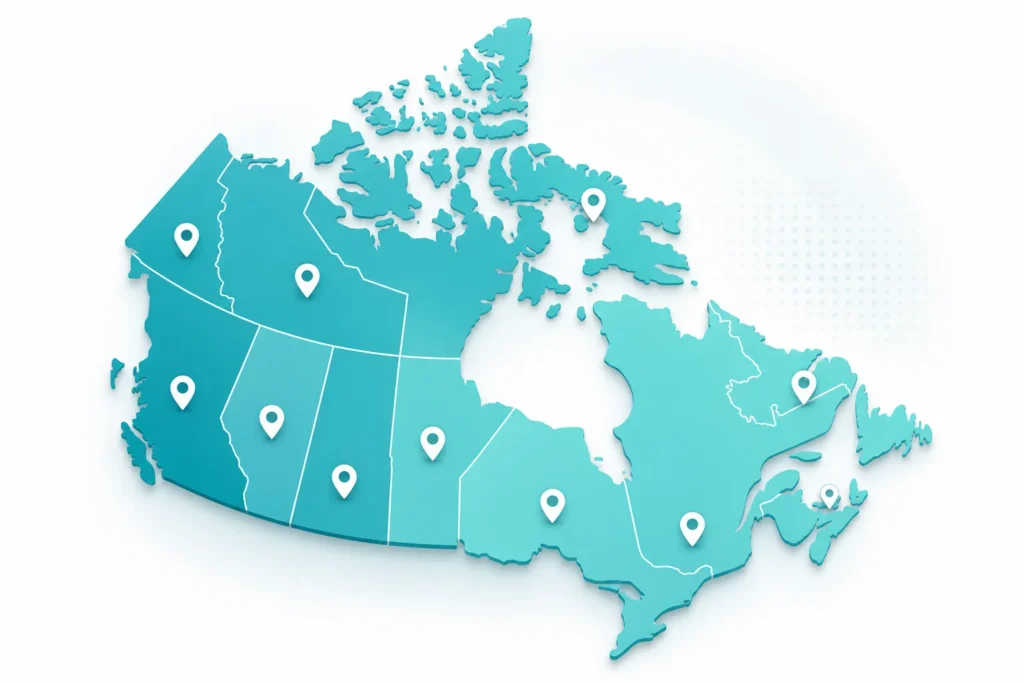
We deliver customer due diligence right across the whole of Canada, from Toronto and Montreal to Vancouver and Calgary, and for foreign reporting entities carrying Canadian obligations wherever they operate.












Let's Talk About Your Compliance Needs
Schedule a Free Consultation
Whether you’re starting a new MSB or need ongoing AML support, our team responds within one business day.














Customer Due Diligence Questions
Clear answers to the questions Canadian businesses ask most about building customer due diligence into their compliance program under the PCMLTFA.

What does customer due diligence involve?
Identifying and verifying the customer, understanding the purpose of the relationship, assessing its risk, and keeping that understanding current over time.
How is CDD different from KYC?
KYC confirms identity. CDD is the wider process that also establishes the relationship’s purpose, assesses its risk, and monitors it going forward.
When does CDD become enhanced?
When risk rises above ordinary, such as a politically exposed person or unusual activity, standard due diligence escalates to enhanced measures.
Is due diligence a one-time step?
No. Due diligence continues throughout the relationship, refreshed as the customer’s activity, risk, or circumstances change over time.
What is simplified due diligence?
A lighter approach permitted for genuinely low-risk situations, though you must still be able to justify why the lower level was appropriate.