
Cryptocurrency Exchange Compliance for Trading Platforms
An exchange custodies assets, runs its fiat ramps, and trades at scale, so its compliance runs broad. We help crypto exchanges meet the full set of obligations their business carries in Canada.
An Exchange Carries Broad Obligations Everywhere
A crypto exchange does far more than move coins. It holds customer assets, converts between crypto and fiat, onboards traders at volume, and lists the tokens people buy. Each brings its own compliance weight. We help you meet the whole set, so every part of an exchange is covered rather than the obvious ones.
Custody and the Fiat Ramp
The assets you hold are where exchange compliance gets serious. You custody customer crypto and fiat, and your on and off ramps connect the banking system to the blockchain, which draws heightened scrutiny. We help you safeguard what you hold, build strong controls around your fiat ramps, and run the KYC and monitoring a high-volume exchange needs to operate safely.

Exchange KYC
We build customer verification that works at the scale an exchange needs.
Custody Safeguarding
We help you safeguard the customer crypto and fiat your exchange holds.
Ramp Controls
We build the controls your fiat on and off ramps require.
Trade Monitoring
We build monitoring across the trading and transfers your exchange handles.
Ready to Simplify Your Compliance?
Exchanges We Support and Guide
We support centralised crypto exchanges, digital asset trading platforms, crypto brokerages, and the other virtual currency exchanges meeting the full range of their compliance obligations under the PCMLTFA in Canada.
We support banks with program design, oversight, & regulatory examination readiness.
We help credit unions meet obligations proportionate to their membership and scale.
We handle registration, renewals, reporting, & controls FINTRAC expects from you.
We cover Bank of Canada registration alongside your anti money laundering obligations.
We establish what your wallet activity triggers, then build only what applies.
We build compliance around what your product does, before volumes and questions arrive.
We register virtual currency dealers and build the reporting their activity demands.
We support financial institutions across registration, program build, and reporting duties.
Why Exchanges Choose Our Compliance
Whole Picture
We cover the full range of exchange obligations, so custody, ramps, trading, and reporting are all handled properly.
Custody Ready
We help you safeguard the assets you hold, so a core duty of running an exchange is properly met.
Ramp Aware
We build controls around your fiat ramps, so the riskiest point where banking meets crypto is well managed.
Serving Exchanges Across Canada
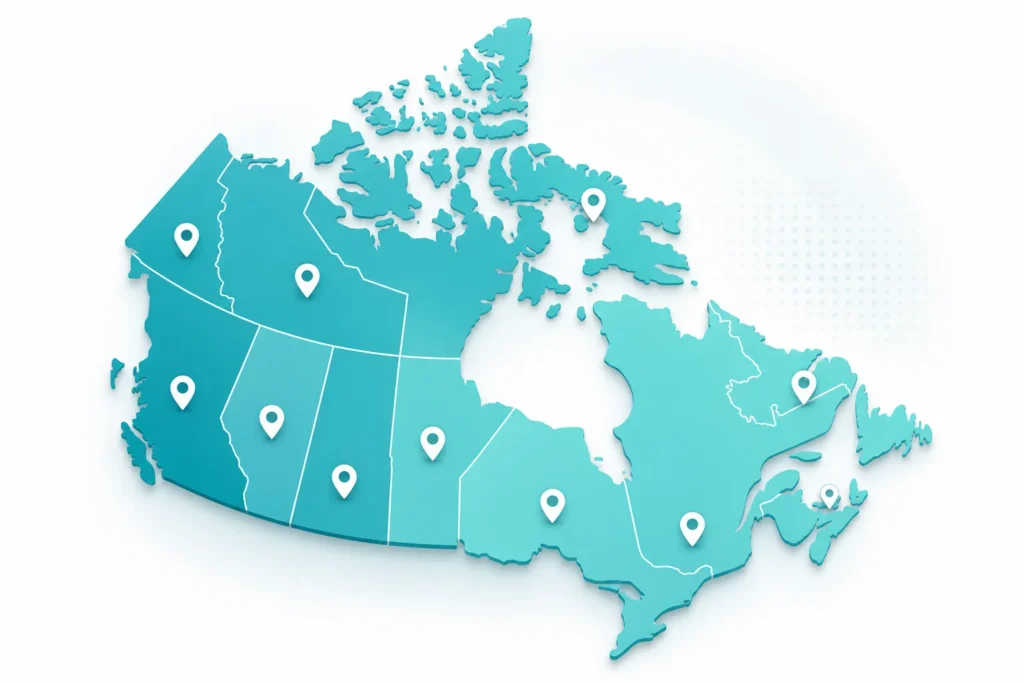
We support crypto exchanges right across the whole of Canada, from Toronto and Montreal to Vancouver and Calgary, and foreign exchanges serving Canadian traders wherever they happen to be based.











Let's Talk About Your Compliance Needs
Schedule a Free Consultation
Whether you’re starting a new MSB or need ongoing AML support, our team responds within one business day.







Crypto Exchange Questions
Clear answers to the questions exchanges ask most about the full compliance obligations of running a crypto trading platform in Canada.

What is crypto exchange compliance?
It is the full set of compliance duties a crypto exchange carries, from custody and fiat ramps to KYC, monitoring, and reporting.
Do exchanges need to safeguard assets?
Yes. An exchange custodies customer crypto and fiat, so safeguarding what you hold is a core part of exchange compliance.
Why are fiat ramps high risk?
Fiat ramps connect the banking system to the blockchain, a point of heightened scrutiny that needs strong controls and monitoring.
How does this differ from crypto AML?
Crypto AML is the money laundering program. Exchange compliance is broader, covering custody, ramps, and trading alongside your AML duties.
Does an exchange need registration first?
Yes. An exchange must be registered as a virtual currency business before it operates, and this covers the compliance that follows.