
Cross-Border Payment Compliance for Fintechs
Moving money across borders quickly multiplies your compliance duties in a real hurry. We help fintechs meet the registration, reporting, and screening obligations that international payments trigger for them under Canadian rules.
Crossing Borders Raises the Bar Higher
A domestic payment and an international one are not the same in compliance terms. Moving money across borders usually makes you a money services business, brings extra reporting, and sharply raises sanctions and jurisdiction risk. We help you understand exactly what your cross-border activity triggers and build the controls it demands.
Reporting and the Travel Rule
International transfers carry their own reporting duties. Wires of ten thousand dollars or more, in either direction, must be reported to FINTRAC, and the Travel Rule means originator and beneficiary details have to travel with the transfer. We help you build the reporting and information handling these rules require, so every cross-border payment carries what it must and is reported when it should be.

MSB Registration
We confirm your cross-border activity as a money services business and register it.
Transfer Reporting
We build reporting for international wires that meet the FINTRAC threshold.
Travel Rule
We help transfers carry the originator and beneficiary information the rule requires.
Sanctions Screening
We build the screening that heightened cross-border sanctions exposure now demands.
Ready to Simplify Your Compliance?
Fintechs We Support and Guide
We support remittance providers, payment platforms, money transfer businesses, currency exchanges, digital wallet apps, and the many other fintechs moving money across borders under the PCMLTFA and Canadian reporting rules.
We support banks with program design, oversight, & regulatory examination readiness.
We help credit unions meet obligations proportionate to their membership and scale.
We handle registration, renewals, reporting, & controls FINTRAC expects from you.
We cover Bank of Canada registration alongside your anti money laundering obligations.
We establish what your wallet activity triggers, then build only what applies.
We build compliance around what your product does, before volumes and questions arrive.
We register virtual currency dealers and build the reporting their activity demands.
We support financial institutions across registration, program build, and reporting duties.
Why Fintechs Choose Our Compliance
Fully Mapped
We map everything your cross-border activity triggers, so registration, reporting, and screening are all covered rather than partly met.
Reporting Right
We build accurate international wire reporting and Travel Rule handling, so your transfers meet their duties every time.
Sanctions Ready
We build screening sized to your cross-border exposure, so heightened international sanctions risk is properly managed.
Serving Fintechs Across Canada
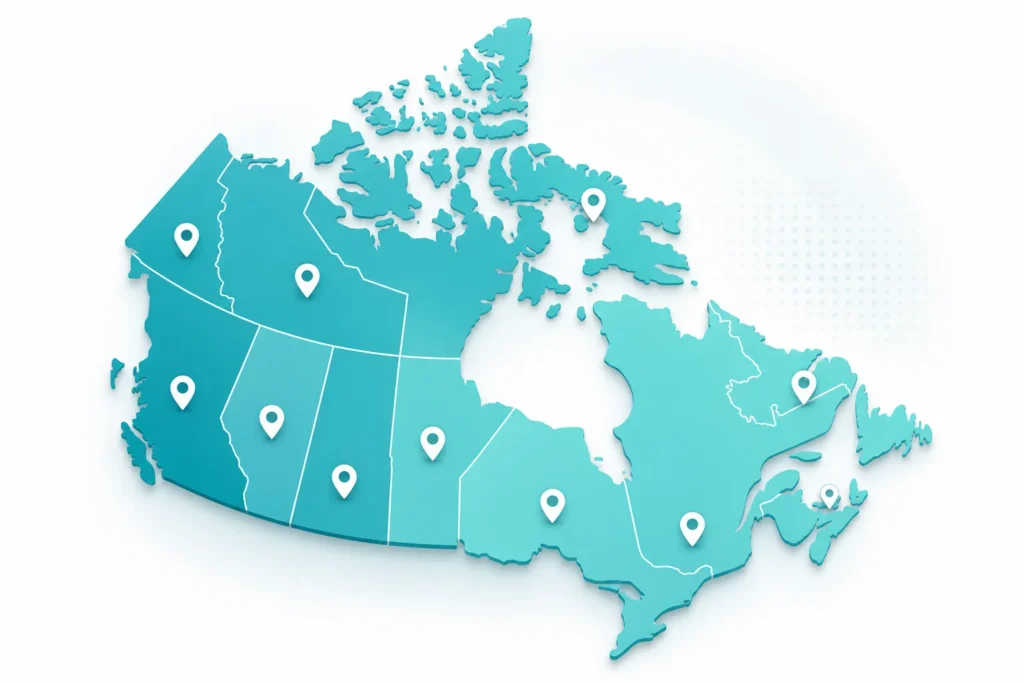
We support cross-border fintechs right across the whole of Canada, from Toronto and Montreal to Vancouver and Calgary, and foreign providers moving money into and out of Canada wherever they are based.











Let's Talk About Your Compliance Needs
Schedule a Free Consultation
Whether you’re starting a new MSB or need ongoing AML support, our team responds within one business day.












Cross-Border Payment Questions
Clear answers to the questions fintechs ask most about the compliance obligations of moving money across borders throughout Canada under the PCMLTFA.

Does cross-border payment need registration?
Usually yes. Moving money across borders typically makes you a money services business requiring FINTRAC registration before you operate.
What must we report on international transfers?
International wires of ten thousand dollars or more, in either direction, must be reported to FINTRAC as electronic funds transfers.
What is the Travel Rule?
It requires originator and beneficiary information to travel with a transfer, so both ends of a cross-border payment are identified.
How does this differ from money licensing?
Licensing covers getting registered. This covers the full cross-border compliance picture, including reporting, the Travel Rule, and sanctions screening.
Why is sanctions risk higher across borders?
International payments touch more jurisdictions and currencies, raising exposure to sanctioned parties and US dollar sanctions reach, so screening matters more.